Clearing Costs and Payment Methods – What Every Business Must Know
Payment Processing Costs and Today's Payment Methods – What Every Business Needs to Know
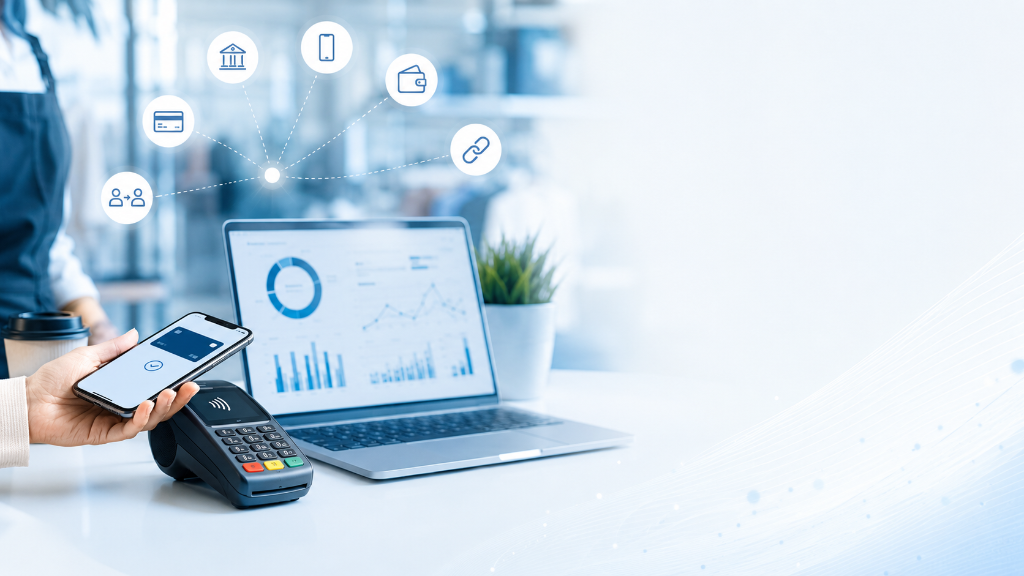
The world of business payments has changed significantly in recent years. While in the past most businesses primarily dealt with cash, checks, and credit cards, today there are far more payment methods available: card processing, digital wallets, bank transfers, payment requests, account-to-account payment initiation, remote payments, payment links, standing orders, payment apps, and advanced business solutions. This shift creates opportunities, but it also requires business owners to understand the costs, risks, and advantages of each solution.
The most familiar cost is the credit card processing fee. Many businesses look only at the percentage rate—say, 0.8%, 1%, 1.2%, or more—but in practice, that's not always the full picture. There are often also monthly usage fees, terminal costs, system costs, minimum fees, installment transaction costs, transaction cancellation fees, chargebacks, currency conversion fees, international brand fees, and additional costs. That's why it's important to examine the total cost, not just the headline percentage.
Furthermore, not every credit card transaction is the same. There's a difference between a standard transaction at a physical business, a phone transaction, an online transaction, an installment transaction, a foreign card transaction, or a foreign currency transaction. The riskier or more complex a transaction is considered, the higher the cost may be. Businesses that sell online, work with tourists, or receive payments from abroad need to carefully examine their fee structure.
Alongside credit cards, digital wallet solutions and payment apps have entered the market. For the customer, this means a convenient and fast payment experience, but for the business, it's important to check who the processing entity is, what the transaction cost is, when the money arrives in the account, whether there's a limit on amounts, whether refunds are possible, and how well it integrates with the accounting or POS system.
Another growing area is account-to-account payment. Instead of routing the payment through a credit card framework, the customer can approve a payment directly from their bank account. Solutions like payment initiation and payment requests allow a business to send the customer a structured payment demand, which the customer approves digitally. The main advantage for the business can be reduced costs, less dependence on credit cards, greater certainty regarding the source of funds, and better suitability for high-value payments.
A payment request is a particularly valuable tool for service-based businesses, those working with recurring customers, or those looking to streamline collections. Instead of sending bank account details and waiting for the customer to make a manual transfer, the business can send a clear digital request with the amount, payment details, and sometimes even a link for immediate approval. This reduces errors and costs, shortens collection times, and improves cash flow control.
Payment initiation is a more advanced stage, where the payment is executed securely and approved directly from the customer's account, in accordance with permissions and regulation. For businesses, this is an option that could, in the future, reshape the cost structure of payments—especially for transactions where credit card fees are high or where immediate, precise payment is required.
That said, not every solution suits every business. A physical store, an e-commerce site, a service provider, a professional office, a restaurant, a business with customers from abroad, or a company that bills recurring customers—each has different needs. The right choice should therefore be based on several questions: How do customers prefer to pay? What is the transaction value? How many transactions occur per month? Are there recurring payments? Is there foreign currency activity? When does the business need the funds in its account? And what is the true cost of each payment method?
Ultimately, properly managing payment methods isn't just a technical matter—it's part of managing the business's profitability and cash flow. A business that reviews its processing costs, compares solutions, incorporates advanced payment methods, and manages collections intelligently can save money, improve customer service, and increase its financial certainty.